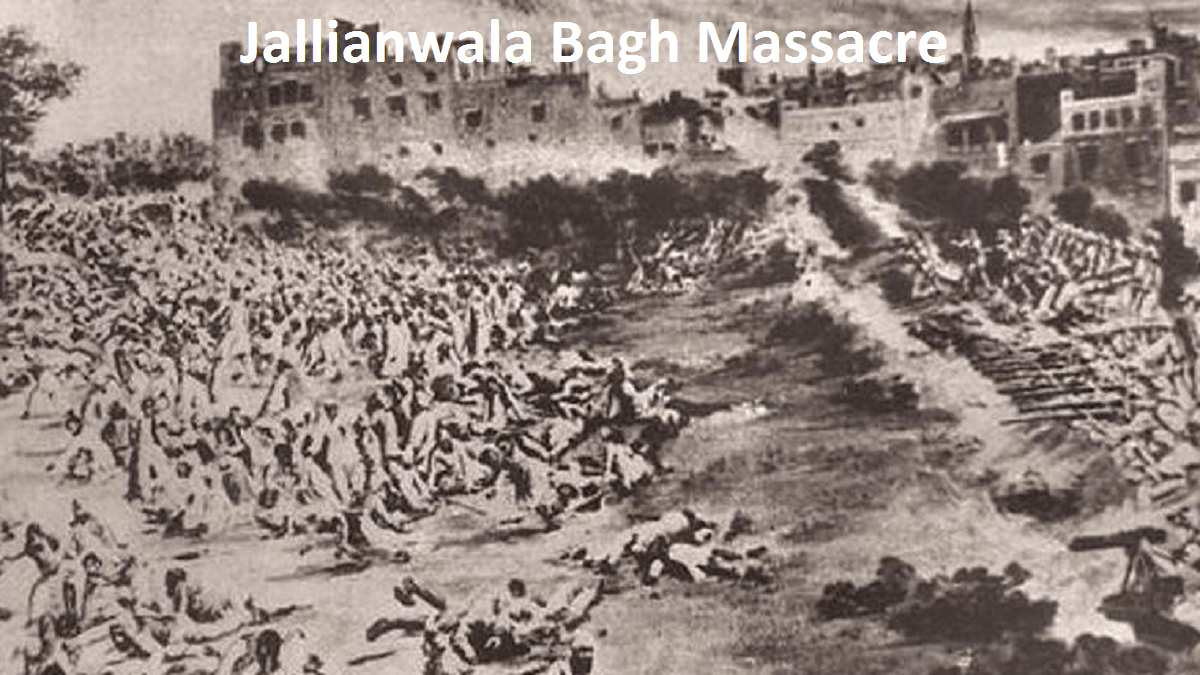
Jallianwala Bagh Massacre, Jallianwala also spelled Jallianwalla, also called Massacre of Amritsar, incident on April 13, 1919, in which British troops fired on a large crowd of unarmed Indians in an open space known as the Jallianwala Bagh in Amritsar in the Punjab region (now in Punjab state) of India, killing several hundred people and wounding many hundreds more. It marked a turning point in India’s modern history, in that it left a permanent scar on Indo-British relations and was the prelude to Mohandas (Mahatma) Gandhi’s full commitment to the cause of Indian nationalism and independence from Britain.
During World War I (1914–18) the British government of India enacted a series of repressive emergency powers that were intended to combat subversive activities. By the war’s end, expectations were high among the Indian populace that those measures would be eased and that India would be given more political autonomy. The Montagu-Chelmsford Report, presented to the British Parliament in 1918, did in fact recommend limited local self-government. Instead, however, the government of India passed what became known as the Rowlatt Acts in early 1919, which essentially extended the repressive wartime measures.